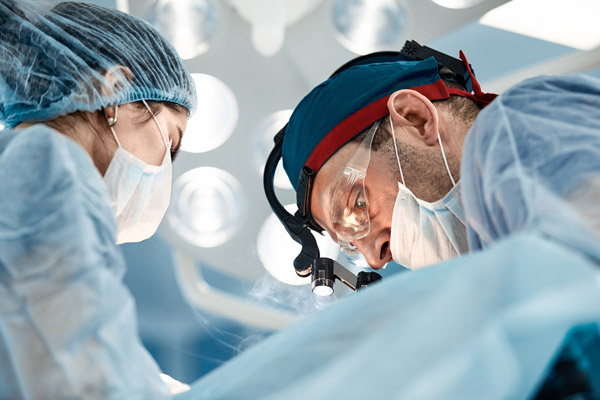
Reconstructive surgery restores form and function after injury, illness, or congenital differences while supporting comfort and confidence in daily life. This specialized field of medicine protects long-term health by improving wound coverage, mobility, and the body's structural support. Understanding the most common categories makes it easier to navigate which surgical options apply to a particular situation.
Trauma, injury, and burn reconstruction
Accidents and falls often result in soft-tissue damage, complex wounds, and contour changes that affect movement or appearance. In these cases, reconstructive care focuses on safely closing wounds, restoring symmetry, and protecting underlying muscles, tendons, or nerves. Techniques include layered closure, skin grafting, or flap reconstruction, which bring healthy, blood-rich tissue to an injured area. Burn injuries, on the other hand, require care that breaks up tight scar bands and improves skin coverage to restore the flexibility needed for daily tasks.
Breast restoration following cancer treatment
Breast reconstruction is a type of plastic surgery that helps restore shape and balance after a mastectomy or other life-saving breast procedures. Common options include implant-based reconstruction, tissue-based reconstruction using a patient's own tissue, or a staged approach that combines multiple techniques. The surgeon also considers symmetry procedures and nipple-areola reconstruction to ensure the final result feels natural and balanced. Reconstructive surgery requires close coordination with the oncology team to ensure that the plan aligns with the overall cancer treatment timeline.
Hand and upper extremity functionality
The hands and wrists (extremities) comprise delicate anatomy, and even small changes can affect grip, sensation, and fine motor skills. Reconstructive procedures address tendon injuries, nerve compression, traumatic lacerations, or deformities that limit a patient's function. The plastic surgery team will typically focus on preserving mobility while promoting stable healing, often through a combination of surgical and therapeutic interventions. In the end, when hand function improves, everyday tasks such as writing, typing, and lifting become significantly more manageable for the patient.
Skin cancer repair and facial reconstruction
Upon the removal of skin cancer, reconstructive surgery is often necessary to close the site while preserving nearby structures and natural contours. This is especially vital on the face, nose, lips, eyelids, and ears, where even minor changes are noticeable to the eye. The surgeon utilizes local tissue rearrangement, skin grafting, or advanced flap techniques to match color and texture as closely as possible to the surrounding skin.
Identifying the right approach to reconstructive surgery
Treatment selection depends heavily on tissue health, blood supply, infection risk, and the functional demands of the target area. A thorough consultation includes a physical exam, a review of medical history, and a detailed discussion of recovery expectations. Common tools discussed during the planning phase include the following:
- Skin grafts. Replace damaged skin when deeper structures remain healthy and intact.
- Flaps. Bring blood-rich tissue into an area that requires stronger, more durable coverage.
- Staged reconstruction. Support gradual physical improvement and safer healing over time.
- Scar revision techniques. Release thick or restrictive tissue that limits the range of motion.
The plastic surgery team will consider both patient goals and long-term health. The mission is to restore the affected area's function and appearance, helping the patient feel confident after recovery.
Schedule a consultation
Reconstructive care includes many diverse procedure types, from trauma and burn repair to breast, hand, and facial restoration. Each method employs specialized techniques to restore coverage, structure, and function while maintaining a natural appearance. If you are interested in learning more about reconstructive surgery or its subtypes, contact Paul C. Dillon, MD Inc to schedule a consultation.
Request an appointment here: https://www.paulcdillonmd.com or call Paul C. Dillon, MD Inc at (847) 429-3185 for an appointment in our Schaumburg office.
Check out what others are saying about our services on Yelp: Read our Yelp reviews.
Recent Posts
Hair loss can make many people lose confidence in their appearance. Fortunately, hair transplants can address these concerns. When searching the phrase "hair transplant near me," it can be hard to know where and how to get started. Fortunately, we are here to help provide a way to help improve your self-esteem and overall well-being…
Nose surgery reshapes nasal structures to enhance breathing, facial balance, and confidence. As a plastic surgery procedure, this can address a hump, a wide tip, crookedness, or airway blockage caused by a deviated septum. During a consultation, the surgeon evaluates nasal anatomy, skin thickness, and proportions relative to the chin and cheeks. Clear goals guide…
A breast lift reshapes and raises the bust, while breast augmentation increases volume and enhances contours. While both procedures improve the breasts ' appearance, they serve different purposes. When exploring these options, it helps to understand how each one works, when one may be more beneficial over the other, and when the plastic surgeon may…
In recent years, there have been major changes in the methods for unwanted hair removal, offering individuals several options for smooth, hair-free skin. Two of the most popular treatments, laser hair removal and waxing, are known for their effectiveness and for providing long-term results. While both methods focus on reducing hair, they differ in their…